The signage industry is full of technical terminology, materials and manufacturing processes – and getting to grips with it all is undeniably complicated. What’s the difference between built-up, flat cut and profile cut letters? Is totem signage the same as a monolith? And should I order wide format or large format print? This glossary aims to answer these questions for you so you purchase the best print and signage solution for you.
Whether you’re planning a building wrap that dominates sightlines, exploring LED signage to make an impact day or night, or comparing sustainable print materials, this glossary explains the key terms used across large-format print, fabrication, digital displays, and branded environments.
Sustainable Materials
PVC-Free
PVC-free materials are alternatives to traditional PVC-based print media, designed to reduce environmental impact while maintaining print quality and durability. They are commonly used for banners, exhibition graphics and retail displays where sustainability targets or ESG commitments are a priority.
Kavalan
Kavalan is a PVC-free banner material designed as a more sustainable alternative to traditional banner substrates. Manufactured using cleaner production methods, it offers high-quality print performance while helping businesses reduce the environmental impact of large-format campaigns.
UFabrik
UFabrik is a range of printable textile materials made from recycled PET plastic bottles. These fabrics are commonly used for exhibition graphics, tension fabric displays and retail branding where sustainability and premium visual quality are equally important.

Signage Materials & Substrates
ACM (Aluminium Composite Material)
Aluminium Composite Material (ACM) is a lightweight, rigid panel made from two aluminium sheets bonded to a solid core. It is commonly used for signage, hoardings and wayfinding because it combines strength, durability and excellent print quality.
Dibond
Dibond is a specific premium brand of ACM known for its rigidity, smooth finish and weather resistance. It is widely used for signage, wayfinding, exhibition graphics and long-term outdoor branding applications.
Foamex
Foamex is a lightweight PVC foam board commonly used for temporary signage, exhibitions, retail displays and internal graphics. It offers excellent print quality and is an economical solution for short- to medium-term campaigns.
Blockout Banner/Mesh
Blockout materials feature an opaque internal layer that prevents light transmission, ensuring graphics remain vibrant and legible even when backlit. For high-wind outdoor installations like scaffolding or building wraps, standard mesh (perforated material that allows air to pass through safely) is typically used instead.
Vinyl
Vinyl is a versatile self-adhesive material used for graphics, branding and signage applications. It can be applied to windows, walls, vehicles, and panels, making it one of the most widely used materials in large-format print and signage projects.
Acrylic
Acrylic is a durable, lightweight plastic material often used to create premium signage, lettering and display graphics. Available in a wide range of colours, finishes and thicknesses, it delivers a clean, modern appearance for both interior and exterior environments.
Aluminium Tray Sign
An aluminium tray sign is a fabricated sign created by folding aluminium into a tray-like structure. Commonly used for fascia signage, aluminium trays provide a clean, robust solution that can be finished with vinyl graphics, illuminated elements or built-up lettering.
Fabricated Signage
Built-Up Letters
Built-up letters are three-dimensional fabricated letters used for signage and branding. Manufactured from materials such as aluminium, acrylic or stainless steel, they create depth, visibility and a premium finish both indoors and outdoors, from retail shopfronts to corporate offices.
Flat Cut Letters
Flat cut letters are precision-cut lettering manufactured from materials such as acrylic, aluminium or PVC. They provide a clean, professional finish and are often used in reception signage and office environments where branding needs impact without the depth of built-up lettering.
Profile Cut Panels
Profile cut panels are custom-shaped signage panels cut to match a specific design, logo or brand shape. They add visual interest and help brands move beyond traditional rectangular signage formats, commonly used in retail and exhibition environments.
Fabricated Signage
Fabricated signage refers to signage that is physically manufactured and assembled using materials such as aluminium, acrylic, steel and illuminated components. Unlike printed graphics alone, fabricated signage creates depth, structure and long-term visual impact.
Reception Signage
Reception signage is branding and information signage installed within reception areas, entrances and welcome spaces. It is designed to create a strong first impression while reinforcing brand identity, and often incorporates built-up letters, vinyl graphics or printed wallpaper from the moment visitors arrive.
Illuminated Signage
Illuminated signage uses integrated lighting, typically LEDs, to increase visibility and impact. Designed for both indoor and outdoor applications, illuminated signs ensure branding remains visible day and night, and are commonly combined with fabricated signage such as built-up letters.
Monolith Signage
Monolith signage is a freestanding vertical sign structure commonly used for wayfinding, directories and site identification. Its large format makes it ideal for business parks, commercial developments and high-traffic environments.
Totem Signage
Totem signage is a large freestanding sign designed to maximise visibility from a distance. Often positioned at entrances, roadside locations and commercial developments, totems help businesses dominate key sightlines and improve navigation.
Large Format Print
Large Format Print vs Wide Format Print
Large format print and wide format print are often used interchangeably, referring to printing at sizes larger than standard commercial printers can produce. Large format typically describes the finished application such as banners or building wraps while wide format refers to the printing technology used to create them.
Building Wrap
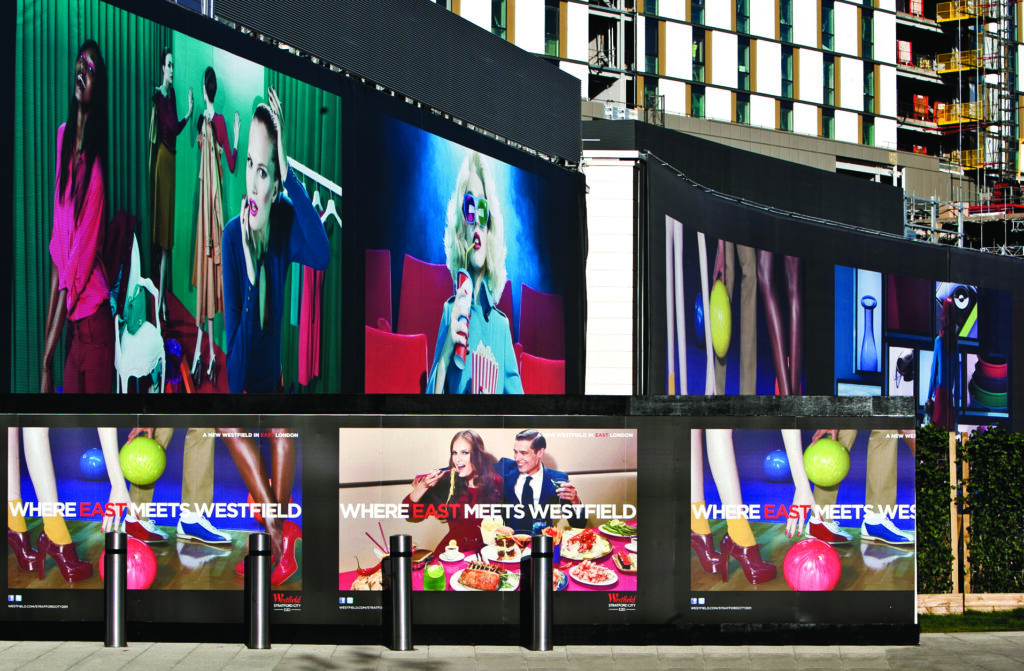
A building wrap is a large-format printed graphic installed across part or all of a building façade. Often used for advertising, branding, construction projects and event activations, building wraps transform unused external space into high-impact visual media.
Hoarding
A hoarding is a temporary structure installed around construction sites, refurbishments or development projects. As well as improving site security and safety, hoardings provide valuable space for branding, marketing messages and project information, and are a core part of construction signage solutions.
Point of Sale Graphics (POS Graphics)
Point of Sale (POS) graphics are promotional materials positioned close to purchasing decisions, such as tills, checkout areas and product displays. Their purpose is to increase visibility, encourage impulse purchases and reinforce campaign messaging, particularly in retail environments.
Direct-to-Substrate Printing
Direct-to-substrate printing is a process where graphics are printed directly onto rigid materials such as ACM, acrylic, Foamex or wood. This eliminates the need for vinyl application and produces highly durable, high-quality results suited to large-format print applications.
Dye Sublimation Printing
Dye sublimation printing uses heat to transfer ink directly into fabric fibres rather than onto the surface. This process creates vibrant colours, excellent durability, and soft-touch graphics commonly used for exhibitions and tension fabric displays.
Window Graphics
Window graphics are printed or cut vinyl applications installed directly onto glass surfaces. They can be used for branding, privacy, promotions, wayfinding or decorative applications across retail and commercial environments.
Wallpaper Printing
Wallpaper printing allows custom graphics, imagery and branding to be reproduced at large scale directly onto wallpaper materials. It is widely used to transform offices, retail spaces, exhibitions and hospitality environments into immersive branded spaces.
Digital Signage & LED Displays
LED Signage
LED signage uses light-emitting diode technology to create bright, energy-efficient illuminated displays. From built-up letters to large-scale digital screens, LED signage delivers high visibility in all lighting conditions, indoors and out.
Digital Posters
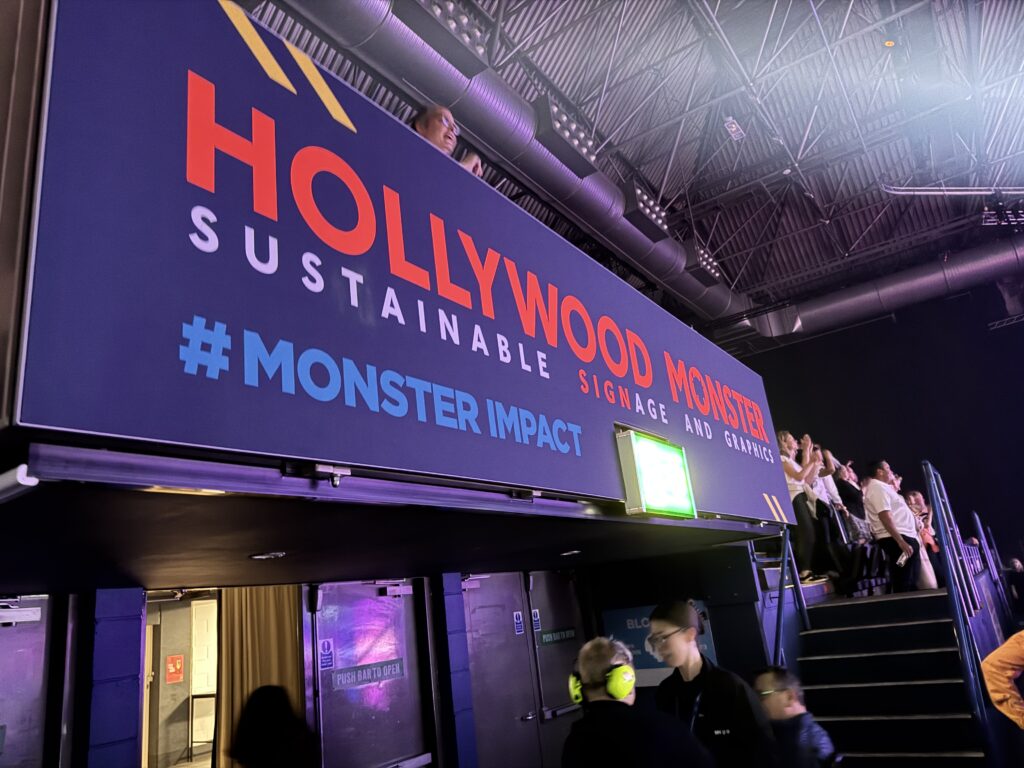
Digital posters are electronic display screens that replace traditional printed posters with dynamic, updatable content. Part of Hollywood Monster’s range of LED & digital display solutions, they allow businesses to change messaging instantly while maintaining visibility in high-footfall environments.
Video Wall
A video wall combines multiple screens or LED panels to create one large display surface. Part of a broader LED & digital display offering, video walls are used in retail, events, stadiums and corporate spaces to deliver large-scale content with maximum visual impact.
Indoor LED Screens
Indoor LED screens are high-resolution digital displays designed for internal environments. They provide vibrant colours, seamless visuals and exceptional brightness for retail, exhibitions, offices and hospitality venues.
Outdoor LED Displays
Outdoor LED displays are weather-resistant digital screens engineered to perform in external environments. Built for visibility in direct sunlight and changing weather conditions, they are commonly used alongside building wraps and hoarding for advertising, wayfinding and public information.
Integrated Digital Signage
Integrated digital signage combines digital display technology with traditional fabricated or printed signage. This creates a seamless branded environment where static and dynamic messaging work together as part of a full interior fit-out.
Digital Menu Boards
Digital menu boards are electronic displays used to showcase menus, pricing and promotions. Common within hospitality, leisure and quick-service environments, they form part of the LED & digital display range and allow content updates without reprinting graphics.
DV-LED Displays
DV-LED (Direct View LED) displays use individual LED modules to create seamless large-format digital screens. Unlike traditional displays, they do not require bezels, making them ideal for impactful visual experiences.
Wayfinding & Information Signage
Wayfinding
Wayfinding refers to signage designed to help people navigate a space efficiently. From hospitals and offices to shopping centres and transport hubs, effective wayfinding reduces confusion and improves the visitor experience.
Braille & Accessible Signage
Braille and accessible signage are designed to improve navigation and inclusivity for people with visual impairments or accessibility requirements. These signs often combine tactile lettering, Braille and high-contrast design to meet accessibility standards.
Directional Signage
Directional signage helps people navigate through buildings, campuses and public spaces. Effective directional signage improves visitor experience by reducing confusion and guiding users efficiently.
Information Signage
Information signage communicates important messages, instructions or site information. It is commonly used across offices, healthcare environments, education facilities and public spaces.

Vehicle Graphics & Branding
Vehicle Livery
Vehicle livery refers to branded graphics, colours and markings applied to commercial vehicles. It helps businesses maintain consistent brand identity across fleets while increasing visibility on the road.
Vinyl Wrap
A vinyl wrap is a printed or coloured adhesive film applied to surfaces such as vehicles, walls, windows or furniture. Vinyl wraps allow businesses to transform existing assets into branded environments without permanent alterations.
Contravision
Contravision is a perforated window graphic material that allows outward visibility while displaying printed graphics externally. It is frequently used on shopfronts, vehicles and glass facades where privacy and branding are required simultaneously.
Fleet Graphics
Fleet graphics are consistent branding applications installed across multiple vehicles. They help organisations maintain a unified brand presence while increasing visibility wherever vehicles operate.
Vehicle Wrapping
Vehicle wrapping is the process of applying printed or coloured vinyl to a vehicle’s surface. Used for advertising, branding and colour changes, vehicle wraps transform vehicles into mobile marketing assets.
Exhibition & Event Systems
TFS (Tension Fabric System)
A Tension Fabric System (TFS) uses printed fabric stretched tightly within an aluminium frame to create seamless graphics. TFS displays are popular for exhibitions, retail environments and interiors because they are lightweight, reusable and easy to update.
BeMatrix
BeMatrix is a modular aluminium framing system widely used for exhibition stands, events and experiential marketing environments. Its reusable structure allows large-scale branded spaces to be built quickly while reducing waste between projects.
Exhibition Graphics
Exhibition graphics are printed displays used within trade shows, exhibitions and live events. They help brands attract visitors, communicate messages and create memorable experiences.
Shell Scheme Graphics
Shell scheme graphics are printed panels and branding elements designed specifically for standard exhibition stand structures. They transform basic exhibition spaces into fully branded environments.
Event Branding
Event branding encompasses all graphics, signage and visual elements used to create a consistent brand experience at an event. This can include stage graphics, wayfinding, exhibition displays and sponsor activations.
Signage Components & Fixings
Eyelet
An eyelet is a reinforced metal ring installed into printed materials such as banners and mesh graphics. Eyelets create secure fixing points, helping graphics withstand tension, weather exposure and long-term outdoor use.
Keder/ SEG Graphics
Keder is traditionally a thicker, rounder PVC/cord edge used for massive outdoor truck sides, billboards, or event marquees. Indoor exhibition fabric frames almost exclusively use a flat silicone or PVC strip sewn into the edge.
Flex Face Signage
Flex face signage uses a tensioned flexible material stretched across an illuminated frame structure. It is commonly used for large-format fascia signage where consistent illumination and seamless graphics are required.
Tension Systems
Tension systems use frames, cables or engineered structures to keep graphics stretched taut and wrinkle-free. They are widely used for exhibition displays, fabric graphics, building wraps and large-format branding installations.
Understand Signage. Build Bigger, Better Projects.
Whether you’re planning a building wrap, exploring LED displays or comparing signage materials, our team is here to help. Turn technical terms into unmissable impact with expert advice from concept to installation.
NEWS


Building Advertising Wraps: Everything You Need to Know

