
Braille Signs, Making Accessibility Stand Out
The most impactful print is right under your fingertips. At Hollywood Monster, we design and install braille signs and tactile signage that work with your brand, so they never look like an afterthought.
From wayfinding and room identification to health and safety and statutory signage, these are custom braille signs that combine accessibility with designs that stand out, designed to create a big impact, built for everyone.
Braille Signage. Built-in, Not Bolted On
Braille signage should never feel like the last thing added to a project; that’s why we create standout braille signs that work with your brand.
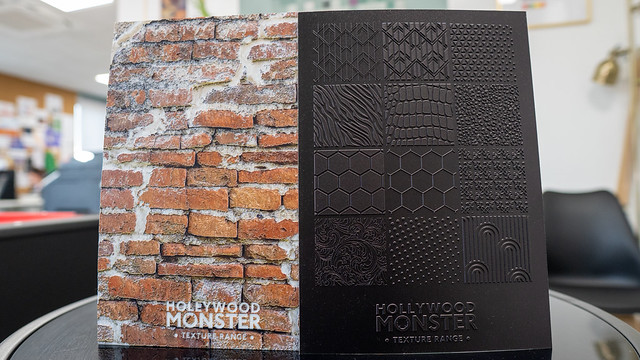
Precision matters when signage needs to be read by touch; our technology helps us achieve the accuracy accessibility signage demands without compromising design. Braille uses raised dots read by touch, while tactile signs use raised letters, symbols and shapes to communicate information visually and physically.
This is signage that makes an impact on people who need help; the signage helps people with visual impairments navigate buildings, identify facilities and access services with confidence.

Our latest 3D print technology investment lets us produce both to a level of precision that’s difficult to achieve with traditional methods. Every dot is domed rather than sharp, sized and spaced to Grade 2 (contracted) braille conventions, and positioned consistently beneath the tactile lettering it translates. The result is signage that reads correctly by touch, first time, every time.
From entrance signs to lift areas, stairways and key safety functions, accessibility isn’t optional under the Equality Act 2010. Our team works with you from design to install, so your signage meets the “reasonable adjustments” requirement without looking bolted on to your brand.
It’s signage that builds trust, deepens connection, and makes an impact on everyone.
Accessibility, Designed for Impact
Tell us about your project, and we’ll create custom braille signs that meet accessibility requirements without compromising your brand’s impact.


Making your Business Accessible, Everywhere
No matter the environment, accessibility should be part of the experience, not an afterthought.
From office buildings and universities to stadiums, retail spaces and public venues, our braille and tactile signage helps people move through spaces confidently while keeping your branding consistent from entrance to exit.
Lift Signage
Braille and tactile floor numbers positioned at a consistent height inside and outside every lift, so visitors can navigate multi-storey buildings independently.
Stairwell Signage
Floor identification fitted at each stairwell landing, helping visitors confirm their location without relying on sight alone.
Entrance and Exit Signage
Braille and raised lettering at every entrance and exit point, giving visually impaired visitors the confidence to move through a building unaided.
Room Identification
Custom braille and tactile room signs for offices, meeting rooms and facilities, fitted to match your existing wayfinding and branding.
Emergency Signage
Tactile fire exit and evacuation signage that stays legible and locatable in low light or smoke, when clear information matters most.
Information and Wayfinding
Braille-inclusive directional signage that guides visitors through corridors, junctions and shared spaces with the same clarity as your visual signs.
Floor Directories
Tactile floor plans and directory boards that let visitors plan a route before they set off.
Accessible Toilets
Braille and tactile door signage for accessible toilets, fitted to the correct height and positioned on the latch side of the door as standard practice.





Braille Signage for any Environment
Every environment is different, so are our solutions.
Whether you’re helping students find their lecture theatre, guiding thousands of supporters through a stadium or making office spaces easier to navigate, our braille signs are designed to perform where it matters most.
Education
From lecture halls to library floors, braille and tactile signage helps students and visitors find their way around campus without needing to ask.
Sports Environments
Braille wayfinding for stadiums and sports venues, guiding fans to the right stand, level or facility on matchday.
Construction Signage
Tactile safety and directional signage for construction sites and hoardings, keeping accessibility in place while work is ongoing.
Transport Hubs
Braille and tactile signage for stations, terminals and interchanges, helping passengers navigate busy environments with confidence.
Retail Environments
Accessible signage for shop floors, changing rooms and customer facilities that fits naturally alongside your retail branding.
Corporate and Office
Braille and tactile signage for reception areas, meeting rooms and office facilities, meeting accessibility requirements without disrupting your interior design.
Accessibility at Every Touchpoint
This is signage that makes a difference. Get in touch to make compliance stand out.
Frequently asked questions
What is Braille Signage?
Braille signs combine raised braille dots with tactile (embossed) lettering, so visually impaired visitors can identify rooms, exits and facilities by touch. It’s used alongside standard visual signage to make a building’s wayfinding accessible to everyone, and forms part of the “reasonable adjustments” businesses are expected to make under the Equality Act 2010.
Does my Braille Signage need to meet any specifications?
Yes. UK braille and tactile signage is generally specified against BS 8300-2:2018 (design of an accessible built environment) and BS EN ISO 17049 for braille dot size, spacing and layout, alongside Building Regulations Part M. We’d recommend confirming exact dot dimensions, mounting height and contrast values with our production team for your specific sign run rather than relying on a generic figure here, since these get checked in access audits.
What Braille format does my signage need to be in?
Grade 2 (contracted) Braille is the standard for UK signage. It uses recognised contractions for common letters and words, making it more compact and quicker to read than uncontracted Grade 1 Braille, which is normally only used for very short messages.
What are the rules for Braille Signage?
Braille signs should be presented on a matte, non-reflective background, with braille dots domed rather than sharp, positioned directly beneath the corresponding tactile text. Text and background need strong colour contrast, sign height and placement should be consistent throughout the building, and lettering should mix upper and lower case in a simple, legible font.
Can you help with planning consent for shopfront signs?
Yes, we can guide you through what’s needed, though planning consent is a separate process from accessibility compliance. Whether consent is required depends on your local authority, and factors like conservation area status, listed building status, and whether the sign is illuminated. We’ll flag if your project needs planning permission or listed building consent before production starts.
What are Grade 2 Braille Signs?
Grade 2 Braille uses standard contractions, such as single symbols for common letter groups and whole words, to shorten the space braille takes up on a sign. It’s the standard format for UK public signage, as opposed to Grade 1, which spells every letter out in full.
NEWS

Flat vs Fabric: Choosing the Right Signage for a #MonsterImpact


