
Whether you’re designing vehicle wraps for a single vehicle, an entire fleet, or creating a moving advert that puts your brand where it will make the most impact, vehicle wraps give businesses something static advertising never can: the ability to take your message directly to your audience.
Every journey becomes an opportunity to be seen. Every traffic light, delivery, site visit and motorway queue becomes another chance to put your brand in front of potential customers.
But getting seen isn’t the hard part. Getting remembered is.
Your vehicle wrap needs to communicate who you are, what you do and why it matters in seconds. Nobody’s reading paragraphs of copy while you’re driving past at 30mph.
In this guide, we’ll break down the principles behind effective vehicle wrap design, the mistakes that make wraps blend into the background, and how to create a #MonsterImpact at first glance.
Why Vehicle Wrap Design Matters More Than Ever
In crowded, fast-paced environments, mediocre branding simply fades into the background. But when you get it right? Designing vehicle wraps creates high-octane moving billboards, commanding the attention of thousands of potential customers every single day.
There is a reason the UK automotive wrap market is absolutely skyrocketing. Generating $242.8 million in revenue, the industry shows zero signs of slowing down. In fact, a recent Grandview report projects the UK market to grow at an explosive CAGR of 20.6% from 2025 to 2033.
Brands keep investing because the ROI speaks for itself: a premium wrap delivers a true #Monsterimpact.
Unlike static signage – which is locked in one location and incurs multiplying costs the more ground you want to cover – designing vehicle wraps keep your branding consistent, mobile, and cost-effective from site to site. It is the ultimate way to support your wider marketing campaigns with unmissable, dynamic visuals that don’t just grab attention but hold onto it.
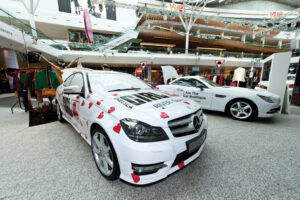
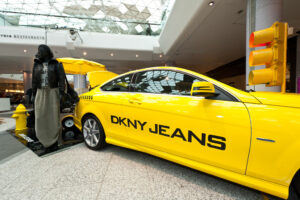

Start With the Message, Not the Graphics
A vehicle wrap has one job: get your message seen and remembered.
The graphics matter, but they aren’t what people buy from you. If someone remembers the colours but forgets the company, the wrap hasn’t done its job. The strongest vehicle wrapping designs start with a clear message and build the visuals around it.
One of the biggest mistakes businesses make when designing vehicle wraps is trying to say everything at once. Services, phone numbers, websites, social handles, taglines, product ranges, accreditations. Before long, the vehicle becomes cluttered, and the message gets lost.
The best vehicle wraps focus on what matters most and communicate it instantly. If someone only has three seconds to see your vehicle, what do you want them to remember?
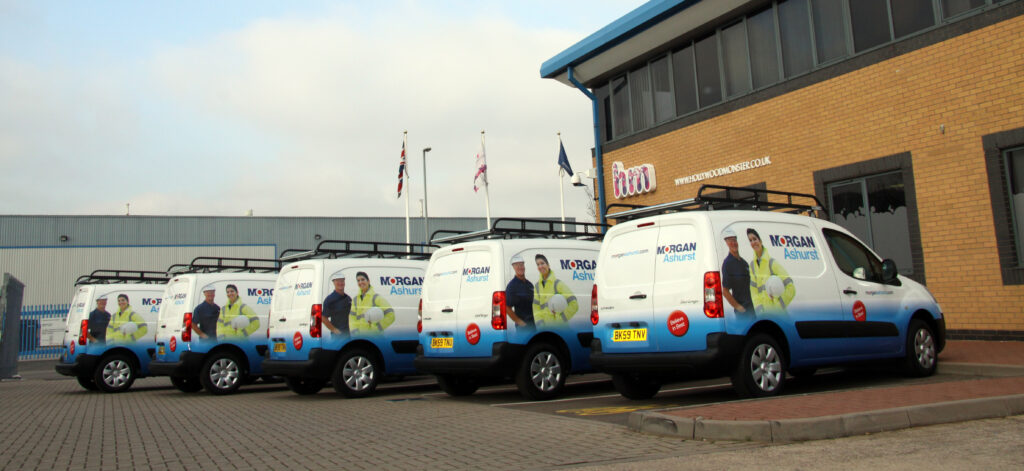
Designing Vehicle Wraps That Get Seen at Speed
Most vehicle wraps are viewed in motion by pedestrians, motorists and passengers. Unlike other forms of signage, you rarely get more than a few seconds to make an impression.
When planning a vehicle wrap, prioritise:
- Company name
- Service
- Contact method
- Website
If people remember those four things, your wrap is already doing its job.
Text that looks perfectly readable on a computer screen can quickly become difficult to read once it’s applied to a moving vehicle. That’s why effective vehicle wrap designs are built around real-world viewing conditions, not digital mock-ups.

Consider how your branding will appear from 5m, 10m and 20m away. These are the distances where potential customers are most likely to encounter your vehicle, whether it’s parked outside a site, travelling through traffic or waiting at junctions. Large, bold typography consistently performs better because it can be understood at a glance.
It’s also important to think beyond the side panels. Rear doors often provide some of the longest viewing opportunities in traffic, while front-facing branding can improve recognition in busy urban environments. The strongest designing vehicle wraps wraps work from every angle rather than relying on a single hero graphic.
Every additional design element competes for attention. Multiple services, excessive imagery and long blocks of text can make the message harder to understand. Simpler layouts often create stronger recall because they direct attention exactly where it needs to go. Important information should never be lost across door joins, handles or moving panels. Great vehicle wraps are designed around the vehicle itself, not simply placed on top of it.
Choosing Colours That Strengthen Brand Recognition
When designing vehicle wraps, they should do more than look good. It should help people recognise your brand instantly.
Consistent use of colour across your vehicles, signage, website and marketing materials helps reinforce your brand every time someone encounters it. The more familiar those visual cues become, the easier it is for customers to remember who you are when they need your products or services.
Visibility also plays a major role. Some colour combinations may look impressive in artwork proofs but perform poorly in the real world. Low-contrast designs can lose clarity surprisingly quickly at distance, making key messages harder to read.
Vehicle wraps also have to perform in conditions that change constantly. Bright sunlight, rain, overcast skies and low winter light all affect how colours appear throughout the day. Designing with these environments in mind helps ensure your branding remains visible and recognisable wherever the vehicle travels.
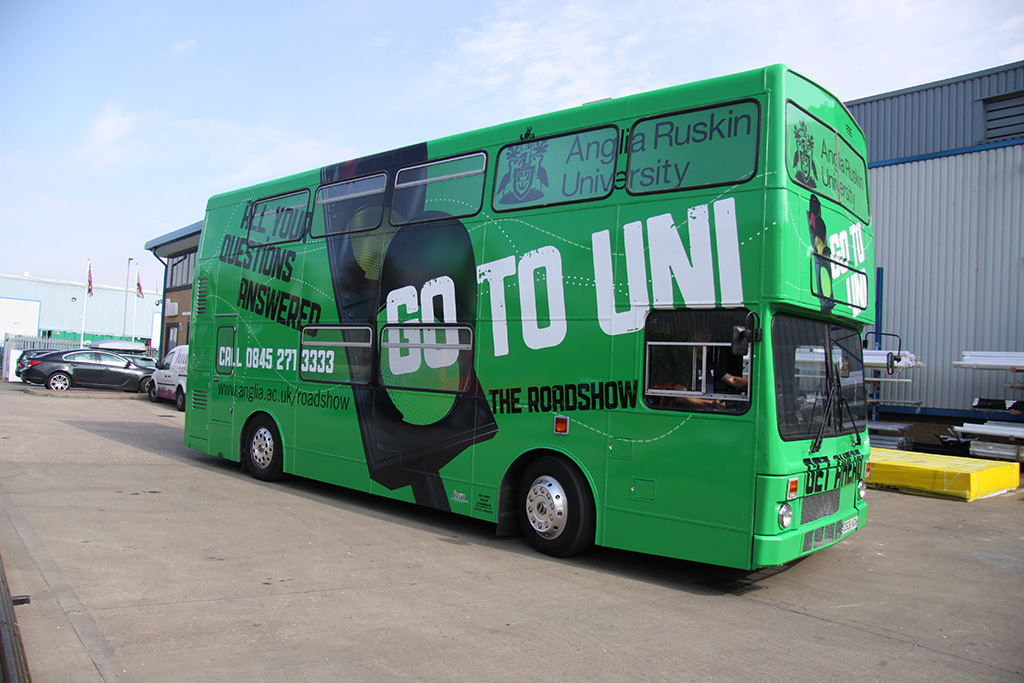
Designing Vehicle Wraps For Advertising Campaigns
Vehicle wraps can be far more than brand decoration. When planned properly, they become a valuable part of a wider advertising campaign.
Whether you’re supporting a product launch, promoting an event or increasing awareness of a specific service, a vehicle wrap gives your campaign the ability to travel. Instead of relying on customers finding your advertising, your advertising goes directly to them.
The most effective campaign wraps are built around a single objective. A clear message is easier to remember than multiple competing messages, and every element of the design should support that primary goal.
Vehicle wraps also perform best when they work alongside the rest of your marketing. Consistent branding across social media, digital advertising, printed materials and signage helps create a stronger and more recognisable campaign overall.
Think about what kind of campaign you want to run. Some vehicle wraps are designed as long-term branding assets that remain on the road for years. Others are created to support short-term promotions, sponsorships, events or seasonal campaigns. Understanding the lifespan of the campaign early helps shape both the design and the messaging.

The 6 Most Common Mistakes Made When Designing Vehicle Wraps
The best-looking vehicle wrap will fail if the fundamentals aren’t right. Here are some of the most common mistakes businesses make when designing vehicle wraps for advertising:
1. Trying to Say Too Much
A vehicle isn’t a brochure. Overloading a wrap with services, phone numbers, social channels and sales messages makes it harder for people to remember anything at all. Focus on one clear message.
2. Making Your Logo Too Small
Many businesses underestimate how large their branding needs to be. Your logo should be one of the first things people notice, not something they have to search for.
3. Using Poor Contrast
Text that blends into the background becomes unreadable at speed. Strong colour contrast helps your message remain visible in different lighting and weather conditions.
4. Ignoring the Rear of the Vehicle
Rear doors often generate the longest viewing times in traffic. Leaving this space underutilised means missing one of the most valuable advertising positions on the vehicle.
5. Designing for a Parked Vehicle
Vehicle wraps are viewed in motion. A design that looks impressive standing still may not communicate effectively when seen for only a few seconds.
6. Following Trends Instead of Building Longevity
Highly trend-driven designs can date quickly. Long-term vehicle wraps should balance creativity with brand consistency and future relevance.


What Is the Best Vehicle to Wrap for Advertising?
One of the most common questions businesses ask is: What is the best car to wrap for advertising?
The truth is that the best vehicle isn’t always the biggest. The most effective advertising vehicle is the one your audience sees regularly. A local tradesperson’s van operating across the same postcode every day may generate more visibility than a larger vehicle that’s rarely on the road.
That said, some vehicle types naturally offer more branding space and greater advertising potential than others.
Vans: The Everyday Advertising Workhorse
Large uninterrupted panels make vans one of the most effective vehicles for advertising. They’re highly visible in traffic, parked on customer sites, and often spend long periods in public view.
Luton Vans: Maximum Space, Maximum Impact
If visibility is the goal, few vehicles compete with a Luton van. The box-shaped body provides huge printable areas, allowing for bold graphics, large-scale imagery and messaging that can be read from significant distances.
Fleet Vehicles: Reach your audience, wherever they are.
A single wrapped vehicle creates awareness. A fleet creates recognition. Consistent branding across multiple vehicles helps reinforce your identity wherever your teams operate, creating repeated exposure across different locations and audiences every day.
Cars: Enhance your Local Brand Visibility
Cars may offer less space than vans, but they can still be highly effective when designed correctly. For local businesses, sales teams and service providers, a well-designed car wrap can generate thousands of impressions every week.
Box Trucks: Mobile Billboards on the Move
With vast flat surfaces and exceptional visibility, box trucks offer some of the largest branding opportunities available on the road. They’re particularly effective for national campaigns, product launches and brands looking to dominate sightlines.
So, Which Vehicle Wins?
The best vehicle to wrap is usually the one that combines visibility, frequency and branding space.
A vehicle seen by the right audience every day will almost always outperform a larger vehicle that’s rarely noticed. The most successful vehicle livery designs start by understanding where your audience is and which vehicles spend the most time in front of them.


Turning Great Design Into a #MonsterImpact
Designing an effective vehicle wrap is only half the challenge. Bringing it to life requires the right materials, the right production capabilities and a team that understands how brands need to perform in the real world.
At Hollywood Monster, we manage everything from design support and artwork preparation through to large-format print, production and installation from our Birmingham HQ.
With more than £1m invested in our production facility and over 30 years of experience delivering branding projects for organisations including Birmingham City FC, BP Pulse, JD Sports and the NEC Group, we know what it takes to make brands impossible to ignore.
Whether you’re wrapping a single vehicle, a nationwide fleet or creating graphics as part of a wider campaign involving signage, fabrication or LED displays, our in-house team delivers vehicle wraps built to get noticed wherever they go.
Turn Every Journey Into a #MonsterImpact
Get in touch to create vehicle wraps that make your brand unmissable, wherever you go.
Frequently Asked Questions
Are vehicle wraps good advertising?
Vehicle wraps are one of the few forms of advertising that move with your audience. Unlike static signage, a wrapped vehicle can generate visibility across multiple locations every day, helping businesses build brand recognition wherever they operate. For companies with vehicles already on the road, wrapping them turns existing assets into a marketing tool without paying for additional advertising space.
How do I design an effective vehicle wrap?
Effective vehicle wrap design starts with a clear message, not complex graphics. Your company name, service and contact information should be visible at a glance, supported by strong branding and high-contrast colours. The best vehicle wraps are designed around how people actually see vehicles, in motion, from a distance and often for only a few seconds.
How much information should be included on a vehicle wrap?
Less is usually more. Most people will only have a few seconds to absorb your message, so focus on your company name, primary service and preferred contact method. Overloading a vehicle with text, multiple phone numbers or long lists of services can reduce readability and make the design less memorable.
How long does a vehicle wrap last?
A professionally produced vehicle wrap can last several years depending on the materials used, installation quality and how the vehicle is maintained. Long-term wraps should be designed with longevity in mind, avoiding short-lived trends that may quickly look dated.
Should vehicle wraps match my other marketing materials?
Yes. Vehicle wraps work best when they form part of a wider campaign. Consistent branding across your website, signage, social media, printed materials and vehicle graphics helps improve recognition and makes your business easier to remember.
Do vehicle wraps work for small businesses?
Absolutely. Vehicle wraps are particularly effective for local businesses because they create visibility within the areas where services are actually delivered. For trades, installers, delivery companies and service providers, a wrapped vehicle can act as a mobile advert every time it visits a customer or travels between jobs.
News


Light Up the Night: Illuminated Signs for Businesses That Win
The Materials That Make Retail Shop Signage Actually Work

